Building Teams That Drive Innovation While Scaling
Key Takeaways
- Establish a workplace culture that rewards learning and experimentation to unlock innovation.
- Empower teams with responsibility and autonomy for quicker, quality decision-making.
- Continual investment in leadership ensures effective scaling without sacrificing creativity.
- Build formal structures and processes to support and manage innovation efforts systematically.
Table of Contents
- Introduction
- Cultivating a Culture of Innovation
- Empowering Teams with Autonomy and Accountability
- Investing in Leadership Development
- Implementing Structured Innovation Processes
- Leveraging Technology to Facilitate Innovation
- Measuring and Sustaining Innovation
In today’s rapidly evolving business world, fostering sustained innovation is both a necessity and a major challenge, especially for companies in active growth phases. As organizations expand, they must navigate the complexities of scaling without losing their innovative edge or compromising on quality and compliance. By strategically focusing on team structure, company culture, and leadership, businesses can establish the foundations needed for robust, innovative performance. One powerful tool on this journey is enterprise recruitment software, which can play a pivotal role in supporting teams as they grow and evolve.
Creating an ecosystem that encourages creativity, collaboration, and problem-solving takes more than clever hiring; it demands ongoing commitment from leadership and all stakeholders. Highly effective teams are empowered to innovate while remaining aligned with the larger business objectives through clear accountability. This strategic approach ensures that as organizations evolve, they continue to encourage experimentation, share knowledge, and implement new ideas that drive long-term success.
Cultivating a Culture of Innovation
Innovation starts with culture. Companies that prioritize curiosity, encourage risk-taking, and embrace the lessons of failure are rewarded with stronger business results and more engaged employees. Organizations that actively create space for experimentation are more likely to deliver products and services that outpace market changes. Leaders should reward fresh thinking, actively solicit input from across the company, and remove bureaucratic obstacles that stifle new ideas.
Transparent communication channels and regular idea-sharing opportunities, such as innovation sprints or hackathons, further strengthen a culture of creativity and collaboration.
Empowering Teams with Autonomy and Accountability
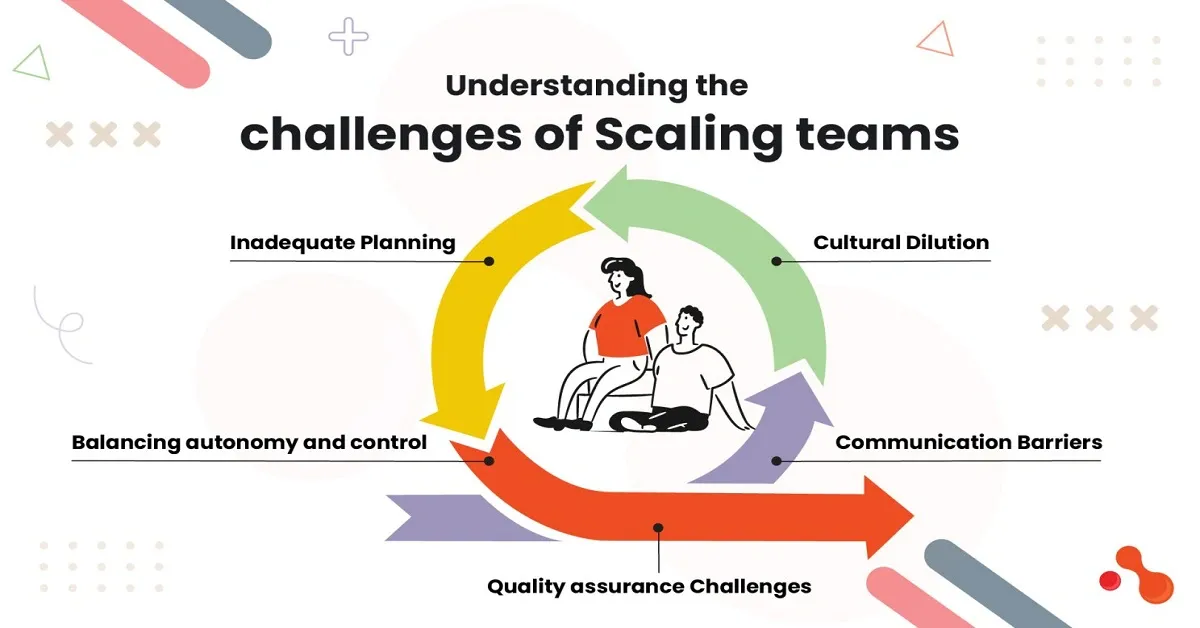
Empowered teams operate quickly, respond proactively to feedback, and adapt to changing conditions with agility. Granting autonomy means letting teams take ownership over their process and outcomes, encouraging them to propose bold solutions and iterate on projects independently. However, accountability remains central, with clear goals and KPIs linked to the company’s strategic vision. Smaller, independent teams can deliver value more efficiently, with each group closely aligned with organizational objectives while retaining freedom in execution.
Investing in Leadership Development
Scaling organizations face unique leadership challenges, with managers needing enhanced skills to drive performance and support innovation. Ongoing investment in leadership development programs provides managers with tools to facilitate growth, manage distributed teams, and maintain morale in fast-moving environments. Effective leaders act as facilitators and mentors, helping teams resolve bottlenecks and nurture a continuous learning mindset. Training should include strategies for managing change, embracing diverse perspectives, and balancing urgency with quality decision-making. As organizations grow, leaders who champion creativity help preserve entrepreneurial energy, ensuring innovation thrives at every level.
Implementing Structured Innovation Processes
Growth requires discipline to harness teams’ creative energy. Establishing formal innovation processes creates a roadmap for teams to move from idea to execution. This might include dedicated innovation labs, pilot programs, or structured brainstorming frameworks. By mapping clear stages (from submission and vetting to resource allocation and scaling), companies can systematically identify and develop promising solutions. The Diverge initiative at Hensel Phelps demonstrates how formalizing innovation structures accelerates idea development and reduces the risk of losing valuable concepts in large organizations. Employees should also have access to dedicated budgets for experimentation and mechanisms to pitch ideas to decision-makers without unnecessary red tape.
Leveraging Technology to Facilitate Innovation
Modern technology platforms unlock new avenues for collaboration, streamline workflows, and facilitate data-driven decision-making. Tools that support project management, real-time communication, remote collaboration, and analytics enable teams to innovate seamlessly, even as organizations become more complex. Adopting cloud-based solutions and collaborative software creates transparency across scaling teams, breaks down silos, and supports rapid experimentation. Embracing emerging technologies such as AI, automation, and advanced analytics can further accelerate idea validation and enhance efficiency across all business units.
Measuring and Sustaining Innovation
Innovative performance should be measured regularly to sustain a competitive advantage. Tracking metrics such as the number of new ideas submitted, projects piloted, and ROI from innovation initiatives enables management to assess impact and adjust strategies. Recognizing and celebrating innovation successes helps reinforce the desired behaviors, while honest reviews of less successful projects foster a spirit of continuous improvement. Over time, these practices build resilience, maintain momentum, and help scaling organizations achieve lasting growth without losing their innovative spark.
By focusing on workplace culture, empowering high-performing teams, investing in leadership, and formalizing processes and technology, businesses can drive sustainable innovation even as they scale up. The result is a dynamic, resilient organization equipped to thrive in competitive markets and deliver meaningful impact well into the future.